Suitable For Small Items
GST WILL BE CHARGED AT 10% OF THE FINAL BILL

Suitable For 1 bedroom
GST WILL BE CHARGED AT 10% OF THE FINAL BILL
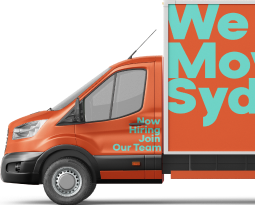
Suitable For 2 bedroom
GST WILL BE CHARGED AT 10% OF THE FINAL BILL
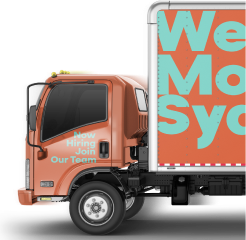
Suitable For 2-3 Bedroom
GST WILL BE CHARGED AT 10% OF THE FINAL BILL
Suitable For 3-4 bedroom
GST WILL BE CHARGED AT 10% OF THE FINAL BILL
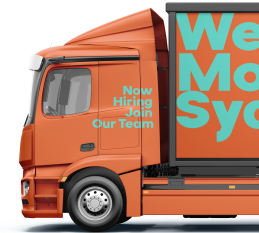
Suitable For 4-5 Bedroom
GST WILL BE CHARGED AT 10% OF THE FINAL BILL
A budget-conscious move can be highly challenging. Costs for everything from your movers to your rental truck to the costs of renting or buying a house need to be factored in. Packing materials, on the other hand, are one of the few costs you actually have control over.
Buying too many boxes and materials is one of the most common and costly packing mistakes. Do a rough room-by-room count before you buy anything.
To avoid having to haul all your unused supplies back to the shop, or hold onto them and create more clutter, make sure you only purchase what you need the first time around. Our moving supplies guide breaks down roughly how many boxes each room typically needs.
Renting reusable plastic containers is a more cost-effective alternative to buying dozens of cardboard boxes that only end up in the recycling bin.
This option works particularly well for short local moves, since the containers get collected and reused rather than sitting in your garage afterwards.
Local shops throw away packaging boxes constantly — asking around usually gets you free, sturdy boxes at no cost.
Call local stores in your neighbourhood to see if they have boxes you can pick up. One good thing about cardboard is that it’s strong and can be reused, as long as the boxes haven’t gotten wet. Many businesses just throw away the packaging boxes used for their inventory, and may also have bubble wrap and packing paper on hand for you to use.
You likely already own several items that can double as packing supplies, saving you from buying them at all.
With a little research and patience, you can easily find inexpensive moving supplies. If you follow these tips, you’ll have more money to spend on the things that really matter.
It varies by home size, but a 2-3 bedroom home typically needs 30-45 boxes across small, medium and large sizes. See our moving supplies guide for a fuller breakdown.
Local supermarkets, bottle shops and retail stores are the best source — they receive stock in sturdy cardboard boxes daily and are usually happy to give them away rather than pay for disposal. Ask in person and be specific about the size you need.
For local moves, rental plastic containers can work out cost-effective since they’re collected and reused. For longer moves or if you need to store items afterwards, cardboard boxes you keep are usually more practical.
Suitcases, duffle bags and rucksacks work well for clothes and shoes. Towels, sheets and blankets can wrap fragile items instead of buying bubble wrap, and dresser drawers can often be moved as-is with contents still inside.
Many professional removalists include free boxes and packing materials as part of their service — worth confirming when you get a quote, since it can offset a large part of your packing budget.
At We Move Sydney, our experts and professionals will assist you with all of your moving needs. Get in touch with us via this online form, or call us on 1300 017 159.