Suitable For Small Items
GST WILL BE CHARGED AT 10% OF THE FINAL BILL
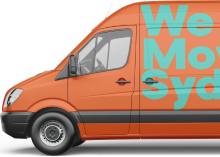
Suitable For 1 bedroom
GST WILL BE CHARGED AT 10% OF THE FINAL BILL
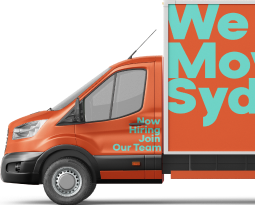
Suitable For 2 bedroom
GST WILL BE CHARGED AT 10% OF THE FINAL BILL
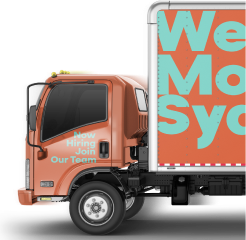
Suitable For 2-3 Bedroom
GST WILL BE CHARGED AT 10% OF THE FINAL BILL
Suitable For 3-4 bedroom
GST WILL BE CHARGED AT 10% OF THE FINAL BILL
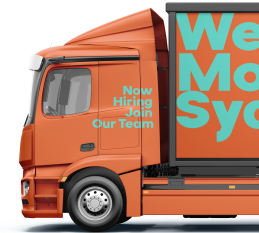
Suitable For 4-5 Bedroom
GST WILL BE CHARGED AT 10% OF THE FINAL BILL
Choosing the right box size is more than just fitting everything in neatly. It affects how smoothly your move goes and how safe your items are.
At We Move Group, we keep seeing the same pattern. People either overpack or choose the wrong moving boxes in Sydney, which leads to delays and even damaged belongings.
In this blog, we’ll guide you in choosing the right box sizes and packing more effectively, so your move starts with a well-organised plan.
Using the wrong packing box sizes can lead to several issues, including:
When everything is packed with the correct box size, weight is evenly distributed, and loading becomes faster.
Before you start packing, it’s important to understand the most commonly used packing box sizes in Australia. These are widely used by professional removalists.
Before you start, it helps to keep in mind this simple guideline.
Heavy items should be packed in small boxes because they add up in weight very quickly. Using a smaller box keeps the load manageable, so it can be lifted safely without strain. It also helps prevent the box from becoming too heavy to carry.
Medium-weight items go in medium boxes because they balance space and weight well. This size allows you to pack efficiently without overfilling, and still keep the box easy to lift and move.
Light and bulky items belong in large boxes because they take up space but don’t add much weight. A larger box allows you to fit these items properly without forcing them in or damaging their shape.
Wrap fragile items individually and fill any gaps with packing paper or soft materials. A small box should feel firm and stable when lifted, with little to no shifting inside.
Try to keep similar items grouped rather than mixing unrelated items into one box. This will protect your belongings and make unpacking far more efficient once you arrive.
A large box should always feel light when lifted. If it starts to feel heavy, it’s a sign that the wrong type of items have been added.
Some items require more than standard moving box sizes. They need additional protection and a specific shape to prevent damage.
Port-a-robe boxes are used to move clothing exactly as it is, straight from your wardrobe onto a hanging rail inside the box.
This means there’s no need to fold or re-pack garments, which saves a significant amount of time during both packing and unpacking. They also help maintain the condition of your clothes by preventing creases.
TV boxes are built with reinforced cardboard and structured support to protect delicate screens during transport. Their design helps absorb impact and reduce internal movement, which is crucial when moving fragile electronics.
If you have large picture frames or mirrors, these specialised boxes are a must for keeping them safe during a move. They help protect artwork, mirrors, and other framed or sentimental items while they’re being transported. It’s also a good idea to use corner protectors for extra protection against bumps and knocks.
Crockery boxes are specifically designed for fragile kitchenware and include internal dividers that separate each item. This prevents plates, bowls, and glasses from knocking into each other. These boxes significantly reduce the chances of breakage.
Wine boxes come with individual compartments that hold each bottle securely in place. This separation prevents bottles from clinking together and limits movement during transit.
Archive boxes are compact, sturdy, and easy to stack, making them ideal for storing documents and files. Their shape allows for efficient organisation, and clear labelling makes it easy to locate important paperwork later.
Begin by packing dense and heavy items into small boxes first. This helps control weight early in the process, prevents accidental overloading later on, and ensures each box remains safe and easy to carry throughout the move.
Group similar household items together and pack them into medium boxes. Keeping categories consistent protects your belongings better, makes unpacking quicker and far more organised when you arrive at your new home.
Use large boxes toward the end to pack lighter, bulkier items that take up more space. By this stage, heavier items should already be packed into smaller boxes, so you’re mainly left with things that are easy to handle but need more room.
Every box should be labelled with its contents and the room it belongs to. Adding clear labels, including “fragile” where needed, helps ensure careful handling.
When everything is packed properly, the load stays balanced, items are easier to handle, and anything fragile gets the right level of protection.
If you’d rather not handle everything yourself, our team at We Move Group can help with selecting the right moving boxes, providing quality packing materials, and offering hands-on support from start to finish. Give our removalists Sydney a call at 1300 017 159 or fill out our online form, and we’ll help get your move sorted.