Suitable For Small Items
GST WILL BE CHARGED AT 10% OF THE FINAL BILL

Suitable For 1 bedroom
GST WILL BE CHARGED AT 10% OF THE FINAL BILL

Suitable For 2 bedroom
GST WILL BE CHARGED AT 10% OF THE FINAL BILL
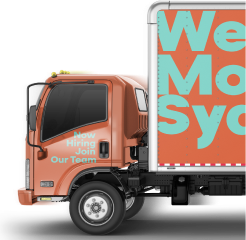
Suitable For 2-3 Bedroom
GST WILL BE CHARGED AT 10% OF THE FINAL BILL
Suitable For 3-4 bedroom
GST WILL BE CHARGED AT 10% OF THE FINAL BILL

Suitable For 4-5 Bedroom
GST WILL BE CHARGED AT 10% OF THE FINAL BILL
A move gives you the chance to reset your home, your habits, and the way you live day to day. And decluttering before moving makes everything feel lighter. Less to pack, less to carry, and less to unpack at your new place.
Moving house has a way of showing you exactly how much stuff you’ve been living with. Taking the time to declutter before you move can make everything run more smoothly.
One of the easiest ways to make moving less stressful is to start decluttering early. Trying to sort through your entire home in a single weekend leads to rushed decisions and messy packing. A slower and more consistent approach works far better.
Spending 20 to 30 minutes each day focusing on one drawer, shelf, or cupboard helps you stay productive without feeling overwhelmed. The goal is steady progress, not trying to get everything perfect at once.
Instead of thinking about the whole house, focus on small areas one at a time. Working through a single room feels more manageable and helps you notice progress faster, which makes it easier to stay motivated throughout the process.
Giving every item three possible outcomes keeps decisions simple and helps you avoid overthinking every little thing.
When sorting through your belongings, ask yourself whether you use the item, whether you truly need it in your new home, and whether you actually like it enough to move it. If the answer is no to all three, it’s time to let it go.
You also need to label the boxes for items you want to keep, donate, and throw away to keep the process organised.
A good place to begin decluttering is in the spaces you rarely use. Areas like garages, spare rooms, and under-stair storage often collect forgotten belongings that can be sorted through more easily.
Starting with less-used areas allows you to make quicker decisions and clear space early in the process. It also helps you build confidence before moving on to rooms that contain everyday and more sentimental items.
One of the biggest challenges during decluttering is being realistic about what you actually use. Many people hold onto items “just in case,” even when they haven’t touched them in years.
If something has been sitting unused for a long time, that tells you everything you need to know.
Old chargers, unused kitchen gadgets, and clothes you never wear often stay hidden in cupboards for years. These items do not seem like much individually, but together they add clutter and extra weight to your move.
Old bills, instruction manuals, receipts, and printed photos can quickly fill drawers and boxes without you noticing.
Important legal documents and current records should be kept, while outdated paperwork and duplicates can be scanned digitally.
Scanning documents, saving files to cloud storage, and creating digital photo albums can help reduce clutter significantly.
Junk drawers, hallway cupboards, laundry shelves, and bathroom cabinets tend to collect random items. Over time, these spaces can become packed with things you no longer use or even remember having.
Sentimental belongings are the hardest items to declutter because they carry memories and emotional attachment.
Keeping sentimental items within a single memory box or container per person can help prevent clutter while still preserving important memories. This keeps treasured items organised without overwhelming your new home.
Scanning old photos and creating digital albums allows you to preserve memories. It’s a simple way to reduce clutter while still holding onto meaningful moments.
After decluttering, the next step is making sure unwanted items actually leave the house before moving day arrives.
Planning donation drop-offs, charity pickups, and recycling runs ahead of time can help you clear things out without clutter building up again.
Keeping donations, recycling, and rubbish sorted into separate groups helps keep your home tidier and speeds up the disposal process as moving day gets closer.
Once you decide to keep something, packing it immediately saves time and avoids handling the same item multiple times.
Labelling boxes properly makes it easier to keep track of everything during the move. Adding the room name, a short description of the contents, and notes like “fragile” can make unpacking quicker and far less stressful once you arrive at your new home.
Keeping important everyday items together means you won’t need to search through multiple boxes after moving in.
Packing toiletries, chargers, clothes, snacks, and basic kitchen items into one accessible box helps you settle in comfortably while the rest of the unpacking can happen gradually.
Decluttering helps you stay organised, reduce unnecessary packing, and start fresh in your new home with only the things you genuinely use and value. You don’t need to do everything at once. Start small and stay consistent.
If you’re planning a move, our team of removalists Sydney is here to help make the process easier. Call We Move Group today on 1300 017 159 or fill out our online form to organise your upcoming relocation.