Suitable For Small Items
GST WILL BE CHARGED AT 10% OF THE FINAL BILL
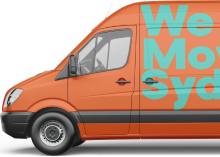
Suitable For 1 bedroom
GST WILL BE CHARGED AT 10% OF THE FINAL BILL
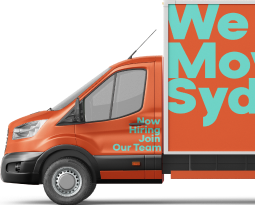
Suitable For 2 bedroom
GST WILL BE CHARGED AT 10% OF THE FINAL BILL
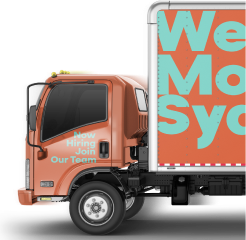
Suitable For 2-3 Bedroom
GST WILL BE CHARGED AT 10% OF THE FINAL BILL
Suitable For 3-4 bedroom
GST WILL BE CHARGED AT 10% OF THE FINAL BILL
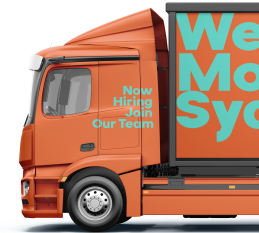
Suitable For 4-5 Bedroom
GST WILL BE CHARGED AT 10% OF THE FINAL BILL
The physical side of relocating often catches people off guard. Packing, lifting, loading, and unloading are very exhausting, especially when you are dealing with large boxes.
Improper lifting is one of the most common causes of injuries. Back strain, sore shoulders, pulled muscles, and neck pain can easily happen when people use poor lifting techniques while moving heavy boxes.
Learning how to carry them safely is very important to reduce the risk of injury during a move, and that’s what we will discuss in this blog. If you haven’t packed yet, see our guide on what size moving boxes you need for each room so you’re not stuck lifting oversized, overpacked boxes on the day.
Bend your knees, keep the box close to your body and lift through your legs rather than your back. Test the weight first, keep your feet shoulder-width apart, and avoid twisting your body while turning with the load.
A clear plan makes moving day feel far less stressful. Organising boxes by room before the move helps avoid confusion and reduces the amount of lifting required later.
Label heavier boxes clearly so everyone knows which items need extra care. It also helps to decide where boxes will go in the new home, as this reduces double-handling and unnecessary lifting. Our guide on how to label moving boxes for an easy unpack covers a simple system for this.
Preparing your home before lifting begins helps create a safer environment for everyone involved. Clear walkways, open doorways fully, and remove anything that could become a tripping hazard. It is also important to create enough space in each room before bringing boxes inside.
Warm up helps loosen muscles and reduce strain while you lift and carry heavy boxes. Stretching before and after the move can help reduce soreness later in the day.
Staying hydrated and pacing yourself throughout the move is equally important, particularly during warmer weather or longer moving sessions.
Using equipment significantly reduces the physical effort involved in lifting boxes. Hand trolleys, dollies, and moving straps all help reduce pressure on your back and shoulders during the move.
Furniture sliders are also useful for moving heavier items across floors safely. Reducing manual lifting wherever possible helps make the move faster, safer, and less physically demanding overall.
Some boxes are just too heavy and awkward to lift. In these situations, sliding boxes across the floor is a much better option than carrying them.
Blankets and plastic sheets can make it easier to slide heavy boxes across the floor. Blankets work well on hard flooring surfaces like timber, tiles, or laminate, while plastic sheets are better on carpeted areas.
Large moving boxes in Sydney should never be moved alone if they seem too difficult to manage. Team lifting allows the weight to be shared more evenly and reduces the risk of injury.
Clear communication while lifting also helps both people move safely and stay balanced throughout the process.
Safe lifting technique is one of the most important parts of moving heavy boxes. Before lifting, test the weight first so you know whether assistance or equipment is needed.
Keep your feet shoulder-width apart and maintain a stable stance throughout the lift. Most importantly, when lifting boxes, bend your knees and lift through your legs rather than placing pressure on your lower back. Keep the box close to your body and avoid twisting while turning.
Holding boxes correctly while walking helps improve balance and reduce strain on your upper body. Boxes should be carried around waist height so you can maintain better control.
A firm grip is important, especially when carrying heavy items over longer distances. Carrying boxes above shoulder height should be avoided, as it limits visibility and increases pressure on the shoulders and neck.
Supportive footwear helps protect your feet and improve stability during the move. Closed-toe shoes with good grip can help prevent slips, especially when walking across smooth flooring and outdoor surfaces. Proper footwear also provides better support during long periods of lifting and walking.
Moving too quickly leads to improper lifting posture, fatigue, and accidents. It’s very important to take regular breaks and move at a steady pace to help maintain better focus and control.
Move heavy boxes carefully and allow yourself enough time to complete each task without pressure.
Boxes should always be stacked carefully to avoid instability and prevent accidents during unpacking. Heavier boxes belong at the bottom of the stack so they can properly support lighter items above them. Do not stack boxes too high, especially if they contain fragile belongings — see our guide on packing fragile items without breaking them for how to protect those boxes specifically.
Stairs are one of the more dangerous areas during a move. Moving slowly and making sure you can clearly see each step will help you keep your balance and move more safely.
Walking slightly sideways can help improve visibility when a box blocks your line of sight. Having a second person nearby for support can also make carrying heavy boxes on stairs much safer and easier to manage.
As a general rule, if a box weighs more than about 20kg or you can’t get a firm two-handed grip on it, get a second person or a dolly involved. Awkward shape matters as much as weight — a lighter but bulky box can be harder to control than a heavier compact one.
Heavier boxes always go on the bottom. Stacking heavy boxes on top of lighter or fragile ones risks crushing the contents underneath and makes the stack unstable to move.
If a box is too heavy or awkward to lift safely, sliding it across a protected floor surface using a blanket or plastic sheet is safer than forcing a lift and risking back injury.
Moving house is physically demanding. Using the right lifting techniques and moving carefully can help reduce strain on your body and prevent injuries.
When lifting boxes, bend your knees, keep the box close to your body, and avoid twisting. Taking your time helps reduce pressure on your back, shoulders, and muscles while moving heavy boxes.
If you need extra support on moving day, our team of removalists in Sydney can help. Call We Move Group today at 1300 017 159 or send an enquiry through our online form to organise your next move.