Suitable For Small Items
GST WILL BE CHARGED AT 10% OF THE FINAL BILL
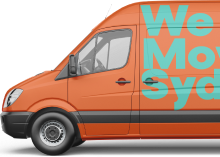
Suitable For 1 bedroom
GST WILL BE CHARGED AT 10% OF THE FINAL BILL
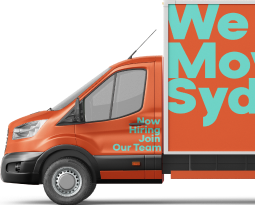
Suitable For 2 bedroom
GST WILL BE CHARGED AT 10% OF THE FINAL BILL
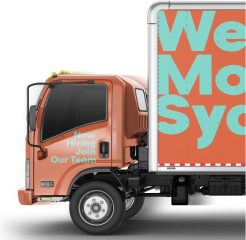
Suitable For 2-3 Bedroom
GST WILL BE CHARGED AT 10% OF THE FINAL BILL
Suitable For 3-4 bedroom
GST WILL BE CHARGED AT 10% OF THE FINAL BILL
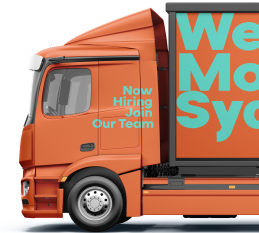
Suitable For 4-5 Bedroom
GST WILL BE CHARGED AT 10% OF THE FINAL BILL
When people think about storage, they usually think of one thing: a locked unit where their stuff sits until they need it. But short-term and long-term storage are quite different propositions — in terms of cost, the type of facility that’s appropriate, how you should prepare your belongings, and what you should realistically expect from the experience.
Getting this distinction right before you book matters. Choosing the wrong type of storage for your situation can cost you more money, result in damaged furniture, or leave you locked into a contract that doesn’t suit your actual timeline.
Here’s a clear breakdown of how these two approaches differ and which one is right for your situation.
Short-term storage generally refers to any arrangement lasting less than three months. Common scenarios include bridging the gap between selling one home and settling on another, storing furniture during a renovation that’ll be done in a few weeks, a temporary interstate or overseas work assignment, or clearing space for a specific event like a house inspection or open home.
In short-term situations, the priority is convenience and flexibility. You want a unit that’s easy to access, close to your home or new address, and that you can exit quickly without penalty. Month-to-month rental agreements with no lock-in contract are ideal for short-term storage — and most Sydney facilities offer exactly that.
The condition risk is lower for short-term storage because the window of exposure to humidity, pests, and temperature variation is relatively brief. Standard precautions — proper wrapping, basic labelling, keeping items elevated off the floor — are usually sufficient for anything under three months.
Long-term storage covers anything beyond three months, though most people would consider six months or more to be genuinely long-term. Typical scenarios include extended overseas travel or relocation, long-running home rebuilds or major renovations, family circumstances like separation, downsizing, or an estate being wound up, or business inventory and equipment stored between contracts.
Long-term storage requires more planning and more care. The longer items sit in a unit, the greater the cumulative effect of humidity fluctuations, pest pressure, and structural settling. Items that would survive three months in a standard unit without trouble may show real deterioration after twelve.
For long-term storage, climate-controlled units are strongly recommended for furniture, especially timber and upholstered pieces. You should also plan to check on items periodically — every four to six weeks is a reasonable interval — and address any issues before they escalate.
Storage pricing in Sydney is almost always quoted on a monthly basis. A standard unit — say a 3×3 metre space, which holds the contents of a one-to-two bedroom apartment — typically runs anywhere from $150 to $300 per month depending on the suburb, the facility, and whether it’s climate-controlled.
For short-term rentals, the headline monthly rate is usually what you pay. Many facilities charge a small administration or setup fee on top of the first month’s rent, but beyond that, the cost is straightforward.
For long-term arrangements, most Sydney facilities offer discounted rates for upfront payments of three, six, or twelve months. If you know you’ll need storage for a year, paying upfront can reduce your effective monthly cost by 10 to 20 percent compared to rolling monthly payments. It’s worth asking about long-term discount options before you sign.
Don’t overlook insurance. Some facilities include basic contents coverage in the rental fee; others require you to arrange it separately. For long-term storage of furniture and household goods, having appropriate insurance is not optional — it’s the safety net that makes the whole arrangement workable.
For short-term storage, a standard ambient unit in a well-managed facility is usually adequate. The key features to look for are 24/7 access (in case your settlement or renovation completion date shifts), good security (CCTV, individual unit locks), and a location that’s convenient to your current home or the destination you’re moving to.
For long-term storage, unit quality becomes a more significant factor. Climate control is the headline feature — maintaining a consistent temperature and humidity range prevents the warping, mould, and rust that accumulate slowly in a standard unit. Look for a facility with a pest management program, good drainage around the unit perimeters (a facility that floods in heavy rain is a long-term storage disaster waiting to happen), and a track record in the industry.
Ground-floor units are more accessible but can be more susceptible to moisture from concrete floors. Upper-level units in multi-storey facilities often have better airflow and lower humidity risk. For long-term storage of furniture, upper-level or internal units are often the better choice.
The level of preparation your furniture and belongings need scales with the time they’ll be in storage.
For short-term storage, the basics apply: wrap upholstered furniture in breathable covers, label your boxes clearly, keep heavy items on the bottom of stacks, and disassemble large pieces where practical. A standard level of care is sufficient.
For long-term storage, go further. Clean every piece thoroughly before storing — food residue and dust are pest attractants over time. Apply protective oil or conditioner to leather, timber, and metal surfaces. Use proper furniture pads and blankets rather than plastic sheeting. Elevate everything off the concrete floor using pallets or rubber mats. Seal boxes with packing tape, especially in areas that might be susceptible to humidity.
The time you invest in preparation on day one pays off significantly when you eventually unlock the unit and find everything in the same condition you left it.
For short-term arrangements, month-to-month contracts with reasonable notice periods (usually two to four weeks) are the norm and what you should expect. Avoid any facility that asks you to commit to six or twelve months upfront when you only need a few weeks.
For long-term storage, read the contract carefully before signing. Key things to check include: what’s the notice period to vacate? Are there penalties for early exit if your situation changes? Does the facility have the right to auction your contents after a certain period of non-payment? What happens if the facility closes or is sold? What’s the process for accessing your unit outside business hours?
A reputable facility will answer all of these questions clearly. If they’re evasive or the answers aren’t in the written contract, look elsewhere.
Whether you need storage for three weeks or three years, the starting point is a move that’s handled properly. Furniture that arrives at a storage unit damaged — scratched, dented, or structurally compromised — doesn’t get better sitting in a unit. It gets worse.
We Move Group’s removalist Sydney team handles your furniture with the same care whether you’re moving it to a new home or into storage. Our furniture removalists in Sydney wrap, pad, and load your pieces correctly so they’re protected for however long they need to be stored.
We service the entire Sydney metro area and can work around your storage facility’s access hours and truck restrictions. For more guidance on your move, read our tips on moving out of an apartment without losing your bond or explore what to know about same-day removalists in Sydney.
Call 1300 017 159 or book online at bookings.wemovegroup.com.au for a free, no-obligation quote. Our team is ready to help you plan a move and storage arrangement that works from start to finish.