Suitable For Small Items
GST WILL BE CHARGED AT 10% OF THE FINAL BILL

Suitable For 1 bedroom
GST WILL BE CHARGED AT 10% OF THE FINAL BILL
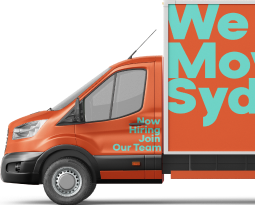
Suitable For 2 bedroom
GST WILL BE CHARGED AT 10% OF THE FINAL BILL
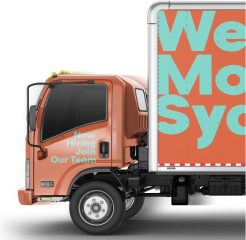
Suitable For 2-3 Bedroom
GST WILL BE CHARGED AT 10% OF THE FINAL BILL
Suitable For 3-4 bedroom
GST WILL BE CHARGED AT 10% OF THE FINAL BILL
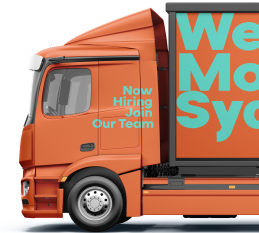
Suitable For 4-5 Bedroom
GST WILL BE CHARGED AT 10% OF THE FINAL BILL
When you’re packing up a house and trying to figure out what goes to storage and what stays out, it’s tempting to default to “if it fits, it ships.” But storage units have real restrictions — some items are outright banned by every reputable facility, others are technically allowed but almost always end up damaged or damaged something else around them.
Putting the wrong thing into a storage unit can void your rental agreement, damage your other belongings, create a fire or safety hazard, or result in the facility charging you for a clean-up. It’s worth knowing the rules before the truck is loaded.
Here’s a clear breakdown of what never belongs in a storage unit — and what to do with those items instead.
This is the non-negotiable category. Every storage facility in Sydney prohibits hazardous materials, and the list is longer than most people expect.
Items that are outright banned include petrol, diesel, and other fuels, LPG cylinders and gas bottles, paint thinners and solvents, fertilisers and pesticides, pool chemicals, bleach and strong cleaning chemicals, fireworks, and any compressed gas canisters.
The reason is straightforward: these items are fire hazards in enclosed spaces. Storage facilities are packed closely together. A fire in one unit can spread rapidly, and accelerants make that far worse. Most facilities conduct inspections and can terminate your rental agreement immediately if prohibited items are found, without refund.
What to do instead: contact your local council for hazardous waste disposal options. Most Sydney councils run periodic chemical collection days where you can drop off paint, pesticides, and similar items for safe disposal at no charge.
Perishable food should never go into a storage unit, but even non-perishable food is a bad idea in most cases. Food attracts pests — rodents, cockroaches, ants, and silverfish are all drawn to even small amounts of food residue. Once pests are in a unit, they don’t stay contained to just your items.
Even sealed, shelf-stable pantry items create risk over time. The smell of food (even through packaging) is enough to attract rodents, who can chew through boxes, bags, timber furniture, and electrical cables to get to it.
This includes pet food. A sealed bag of dog kibble will attract rodents just as effectively as an open tin of beans. If you’re clearing out a kitchen before a move, use up or donate non-perishables rather than storing them.
What to do instead: donate unopened pantry items to a local food bank, take perishables to friends or family, or incorporate them into meals before moving day.
This one seems obvious, but it comes up more often than you’d expect. No living thing — plant, animal, or pet — can be left in a storage unit. Beyond the ethical issues, storage units are sealed, temperature-variable environments with no ventilation sufficient to sustain life. An animal left in a unit would be in serious danger within hours.
Plants also cause problems even without being alive. Soil introduces moisture and organic material that encourages mould growth and attracts insects. If you’re storing plant pots, clean them thoroughly and make sure they’re completely dry and free of all soil before they go in.
Storage units are not secure enough for genuinely irreplaceable items. While most reputable facilities have CCTV and secure access, break-ins do occur. Insurance policies for storage contents often have exclusions for cash, jewellery, collectibles, and electronics, and the coverage limits may be far lower than the actual value of what you’ve stored.
Items in this category include cash in any amount, jewellery and watches, share certificates and legal documents, passports and birth certificates, family photos and irreplaceable mementoes, antique or high-value artwork, and collector items of significant value.
What to do instead: keep irreplaceable documents with you or in a bank safety deposit box. High-value items should be stored with appropriate specialist insurance in a facility specifically rated for that purpose, or kept under your direct supervision.
Anything that goes into a storage unit wet is guaranteed to come out with mould on it. And in the confined space of a storage unit, mould doesn’t stay contained — it spreads to adjacent items, including furniture, linen, clothing, and cardboard boxes.
This includes items that seem dry but aren’t quite. A wooden dining table that was wiped down but not fully dried. A washing machine that wasn’t drained and run through a dry cycle. Camping gear that was packed up slightly damp after a weekend away. Surfboards or sports equipment that weren’t dried thoroughly.
The rule is simple: if it isn’t completely dry, it doesn’t go in. Give yourself enough time before moving day to dry everything properly, and if in doubt, leave it out until you’re certain.
Many storage facilities prohibit tyres, and even where they don’t, tyres are a poor storage choice. Tyres are a fire hazard — rubber burns intensely and produces toxic smoke. They also off-gas over time in enclosed spaces, which can leave an unpleasant chemical odour that transfers to soft furnishings stored nearby.
If you need to store tyres, check with the specific facility first. Some will allow them in limited quantities. Dedicated tyre storage facilities exist in most Sydney suburbs and are a better option for anything beyond the very short term.
This isn’t a prohibited category — it’s practical advice. One of the most common mistakes people make before moving is paying to store things they’ll never use again. Old furniture they’re “not sure” about. Appliances that don’t work properly. Kids’ toys from five years ago. Exercise equipment that hasn’t been used in two years.
Storage costs add up. If you’re storing items you wouldn’t actually move into a new home without a second thought, consider whether the monthly storage fee is worth it. Selling through Facebook Marketplace or Gumtree, or donating to Vinnies or Salvos, is almost always the better financial decision.
Before the move, declutter your home thoroughly so you’re only storing things you genuinely intend to use again. Fewer items in storage means a smaller unit, lower costs, and an easier retrieval process.
Knowing what not to store is half the battle. The other half is making sure everything that does go into storage arrives in the best possible condition — and that starts with how it’s moved.
We Move Group’s removalist Sydney team knows how to handle furniture, appliances, and household goods so they’re protected throughout the move and ready for storage or your new home. Our furniture removalists in Sydney have the equipment, experience, and care to make sure your belongings arrive intact.
We service all Sydney suburbs and offer practical advice alongside our removal services — because a good move isn’t just about lifting and loading, it’s about making sure the whole process works from start to finish. Explore our guide on moving house in winter in Sydney or learn what size moving boxes you need for each room to prepare better for your next move.
Ready to book? Call 1300 017 159 or head to bookings.wemovegroup.com.au for a free quote. We’ll take care of the move so you can focus on everything else.